3-MINUTE DEMO
See the mind construct reality.
This short exercise helps you notice something directly: perception can change while awareness remains.
This short exercise helps you notice something directly: perception can change while awareness remains.
Try it now
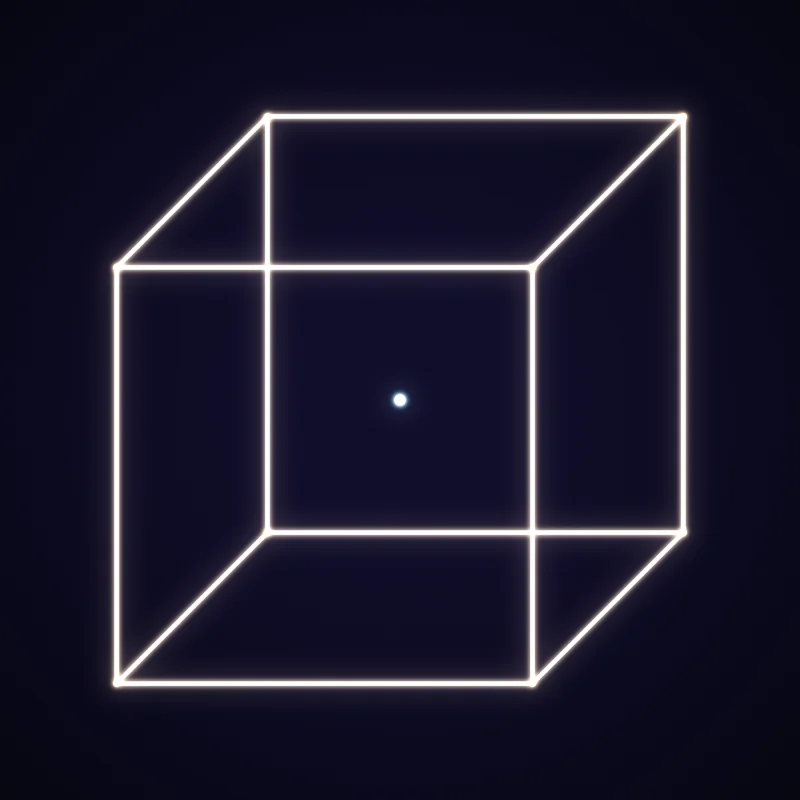
Rest your eyes on the dot. Watch the cube. At some point it flips direction. Notice: the cube changed, but the one noticing didn't.
Some things seem impossible until they are seen clearly once. For a long time, the four-minute mile looked unreachable. Then someone did it, and others followed. Meditation can feel similar. Many people imagine it as distant, abstract, or reserved for experts. But some of its most important insights may be much more approachable than they seem when they are demonstrated directly.
What feels distant can become trainable once it becomes visible.
Many people think meditation begins with years of effort and only later leads to insight. This approach begins with a direct glimpse. Once something important is seen clearly, it often becomes much easier to understand and train.
Most meditation methods begin at the outer edge: practice first, stabilize attention, and trust that deeper insight will come later. This approach begins with a simple glimpse, then helps you return to it and stabilize it.
This training uses visual demonstrations to make subtle mental processes clear to notice. Instead of guessing what meditation means, you begin by observing perception shift in real time.
A single glimpse is not the end of the path. It is the beginning of a more direct one. Once you notice the difference between changing experience and the awareness that knows it, practice becomes learning to return, clarify, and stabilize.
Meditation did not begin as vague relaxation. Across contemplative traditions, practitioners were repeatedly pointed toward a direct distinction: changing mental activity is not the same as the awareness that knows it. This site uses visual exercises to make that distinction easier to notice.
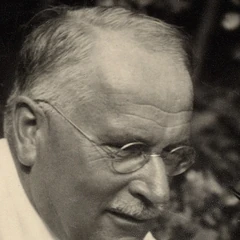
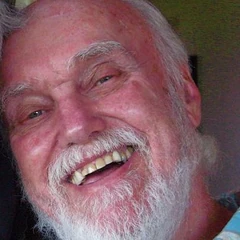

Portraits via Wikimedia Commons, cropped: Sri Aurobindo (c. 1900) and Ramana Maharshi (photo by G. G. Welling, 1948), public domain; Carl Jung (c. 1935), ETH-Bibliothek Zürich, Bildarchiv, public domain; Ram Dass, photo by Joan Halifax, CC BY 2.0
Fresh perspectives on meditation, vision science, and ancient techniques. Explore how autostereograms, perception science and contemplative traditions can support your daily practice.
The mind that generates an illusion is the same mind that generates every thought you have ever had, and it is not your awareness. These articles explore that mechanism — through neuroscience, ancient practice, and direct experience.
Our story
Where the idea for Bindu Tessera came from, and how it brings science and contemplative tradition together.
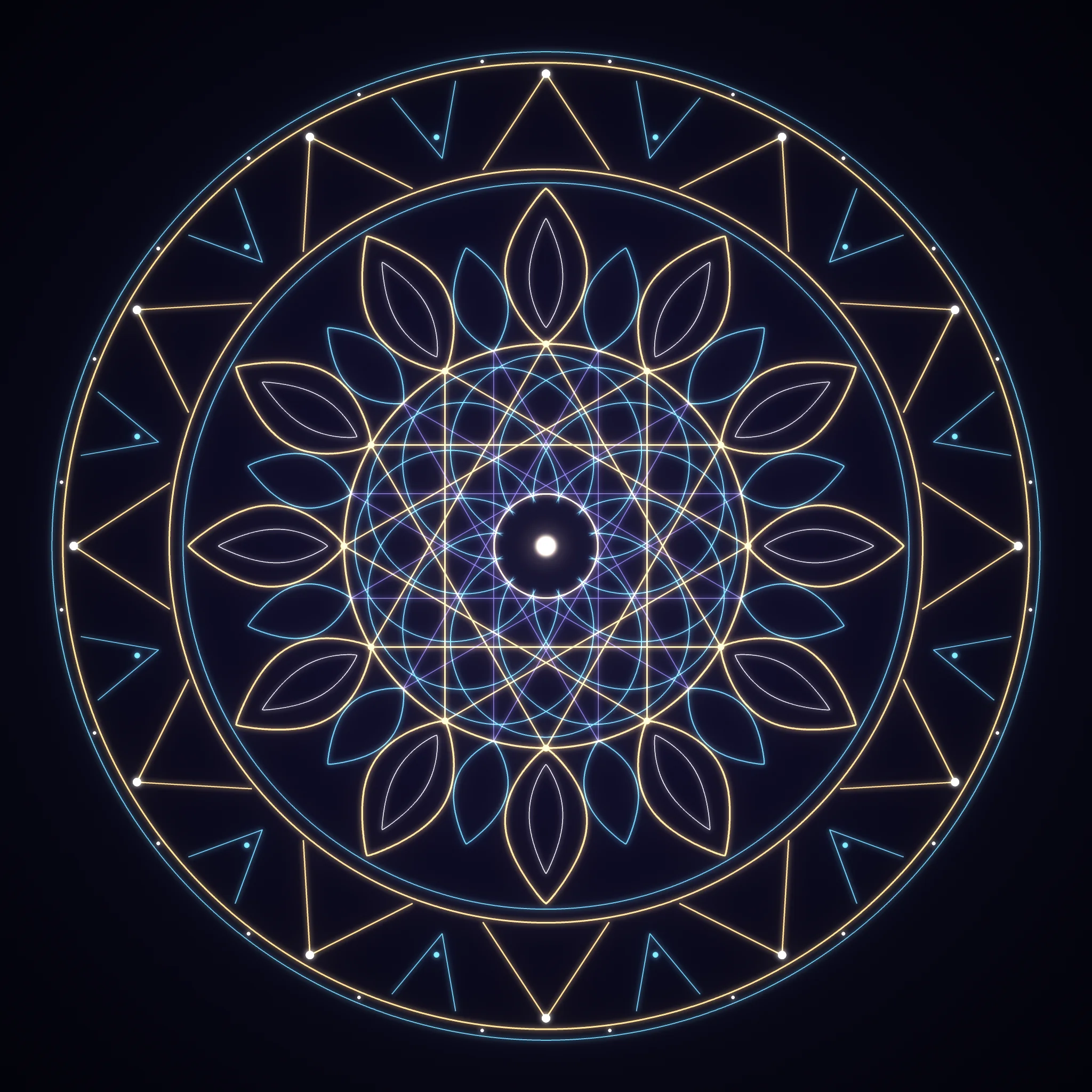
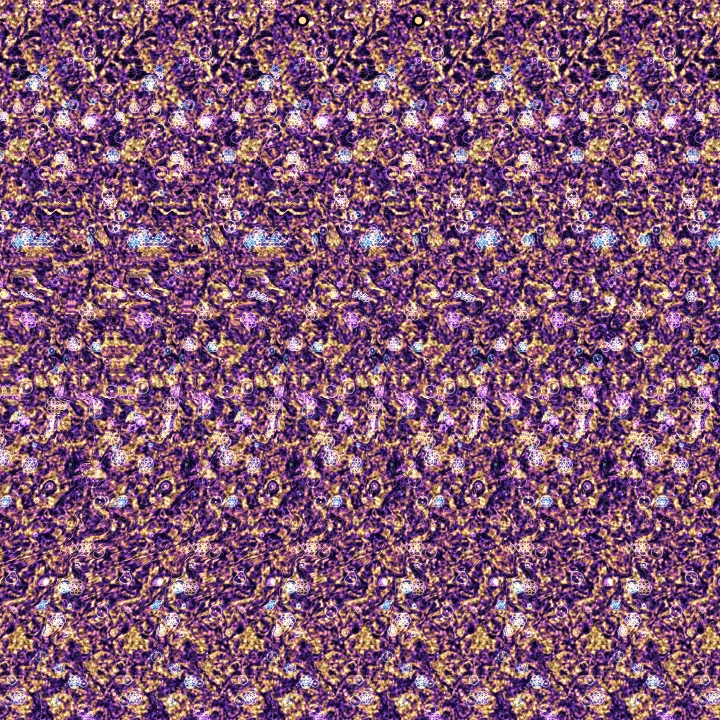
Three short exercises, a Necker cube, a magic eye image and a turning mandala, each with a plain explanation of what is going on—and a simple instruction: notice what changes, and what doesn't. Free during beta.