About
About Bindu Tessera
Bindu Tessera is a small project that uses well-known visual illusions to watch how the mind builds what we see. It is free during beta, it links to its sources, and it makes no clinical claims.
Bindu Tessera is a small project that uses well-known visual illusions to watch how the mind builds what we see. It is free during beta, it links to its sources, and it makes no clinical claims.
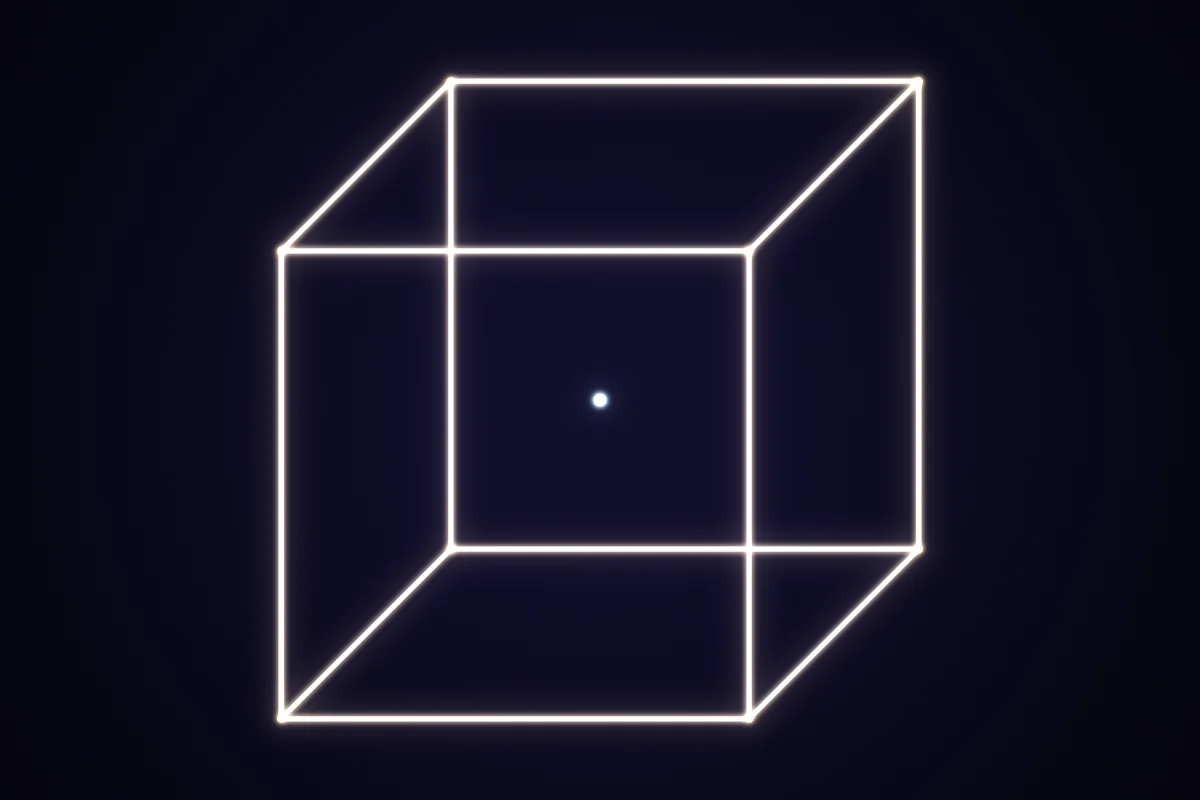
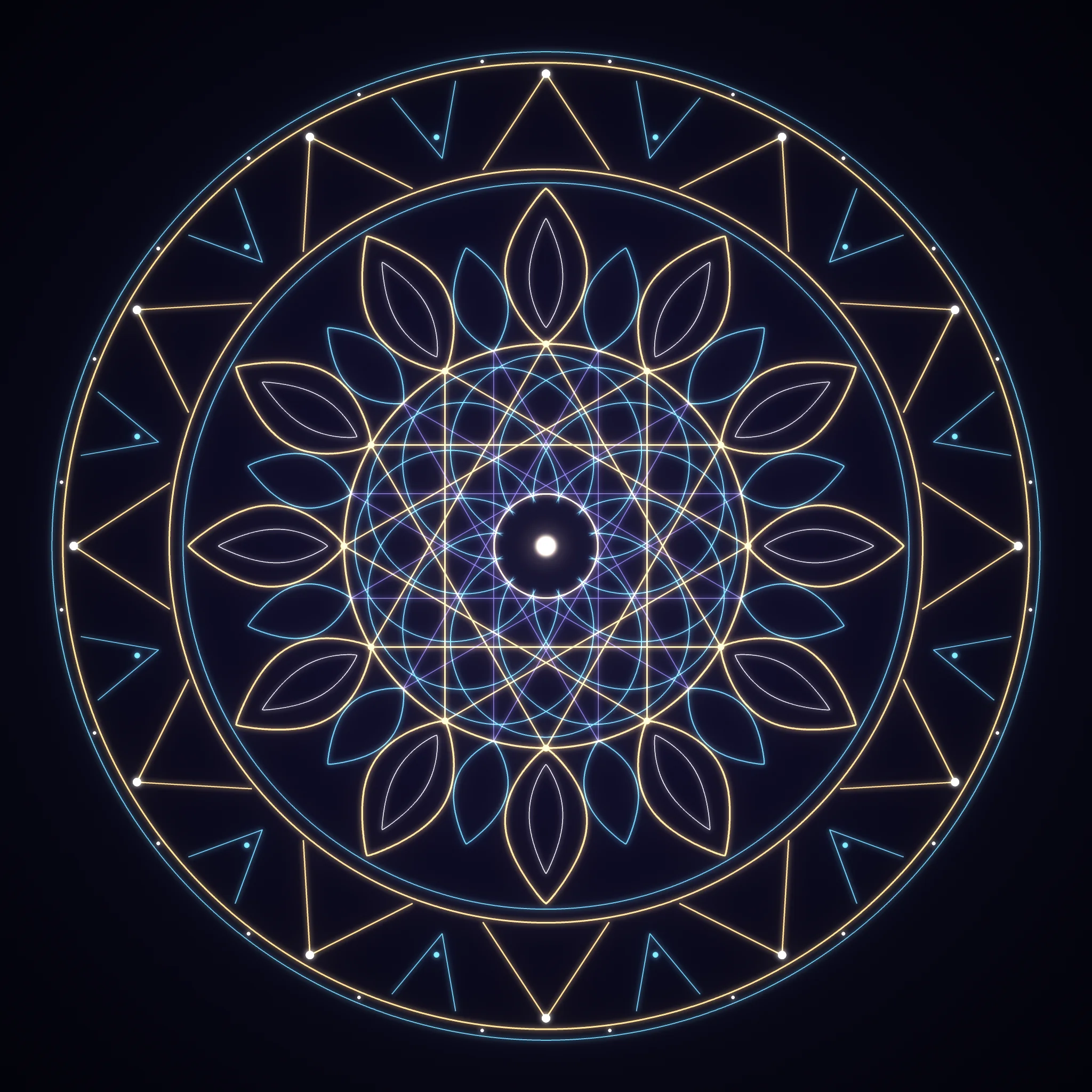
Bindu Tessera offers short, guided visual exercises built on optical illusions: the Necker cube, magic eye stereograms and mandalas. Each one lets you catch your brain building what you see, and that makes an easy way into meditation, noticing the difference between the picture your mind projects and the awareness watching it. It's free during beta.
Each exercise uses an effect from vision science to show, as it happens, that seeing is something the brain does. The contemplative part is simple: notice what changes, and what doesn't.
Curiosity and honesty. We say what the research supports, we label our own speculation as speculation, and we credit our sources.
Each exercise pairs a visual effect from perception science with a short contemplative instruction. We explain what is happening in plain language and link to the original sources.

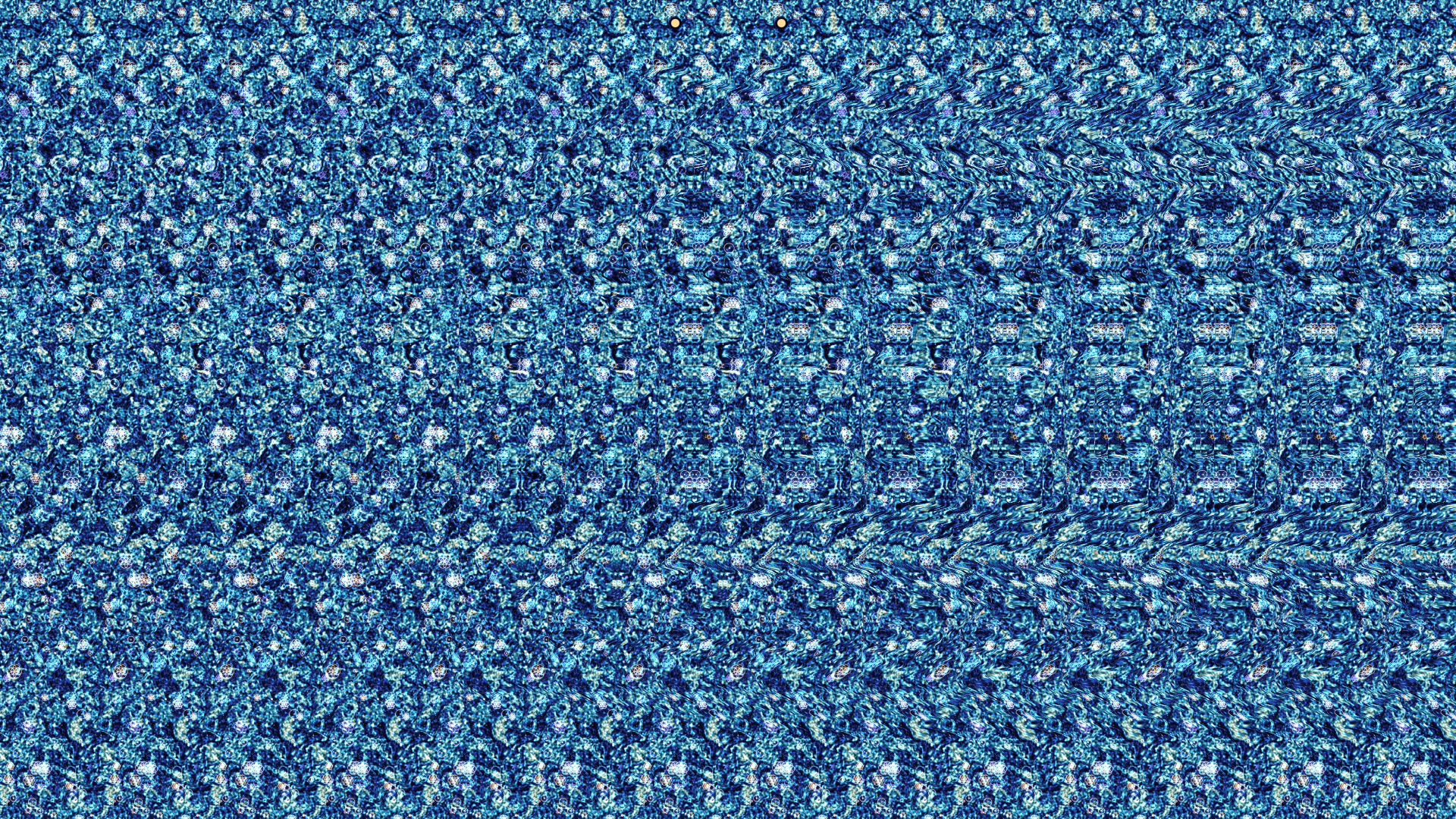
My son finds four-leaf clovers. He's found more than a thousand. He doesn't search leaf by leaf. He looks through the patch, lets the field of threes go flat, and the four, he says, sparkles. He explained it to me this way: put two nearly identical pictures side by side, let your eyes merge them, and the differences shimmer. That's what a four-leaf clover does to him.
It got under my skin — not that he could do it, but that he was doing it on purpose, and that his way of looking was the practice.
It turns out this is an old method. Astronomers found Pluto in 1930 by flicking between two photographs of the same sky until the one dot that moved jumped out. The magic eye works the same way: look through, let two images merge, and whatever doesn't fit stands out. Bindu Tessera started as an attempt to turn that way of looking into something anyone can practice for three minutes.
Bindu Tessera was started by Brian Wilkinson to share simple visual exercises — the Necker cube, magic eye images and mandalas — as a way of watching how the mind builds what we see.
Questions or feedback: brian@bindutessera.com
Notice what changes. Notice what doesn't. That is the whole practice.
Ready to try it? Start with a Necker cube, a magic eye image or a mandala, follow the short instructions, and notice what your mind does with what you see.